


Walking is the foundation of human movement. But, if you are walking without resistance, you are leaving massive physiological benefits on the table.
In the last year, weighted vest walking—often called light rucking—has exploded in popularity among high performers, biohackers, and anyone looking to optimize their daily steps. The premise is simple: by adding a strategic, balanced load to your torso, you trick your body into a state of "hypergravity." Your heart works harder, your bones get stronger, and your caloric burn skyrockets, all without having to take a single additional step.
Whether you are kickstarting a new routine or looking to extract more value from your daily 10,000 steps, you need a the right tool. In this guide, we break down the exact protocols for starting, progressing, and choosing the right weight while spotlighting the gear built specifically for the job: The Aion Weighted Walking Vest.
The ROI of Weighted Walking: Why Walk With a Weighted Vest?

Before you strap on a vest, you may want to understand the physiological return on investment. We aren't just adding weight to make you tired; we are forcing adaptation.
Here is exactly what happens when you walk with Aion:
- 18% More Calories Burned: Adding mass increases your energy demand. In a recent study, participants walking with an Aion vest burned 18% more calories in the exact same amount of time as those walking without one. You don't need longer walks; you need heavier walks.
- Double Your Time in "Zone 2": Zone 2 heart rate is the holy grail of fat-burning and cardiovascular endurance. The same walking study revealed that walkers wearing an Aion weighted vest stayed in Zone 2 for 56% of their workout, compared to just 26% for non-wearers.
- Build Stealth Strength: The added resistance forces your glutes, quads, and core to generate more force with every strike of your heel, building functional lower-body strength.
- Trigger Bone Density Improvements: The mechanical load of the vest stimulates osteoblasts (bone-building cells). This is critical for preventing age-related bone loss and building a resilient skeletal structure.
- Fix Your Posture: A balanced vest acts as a physical cue, naturally encouraging you to pull your shoulders back and engage your core, fighting the "tech neck" slump.
- Get More from a Low-Impact Activity: By adding resistance, your walks get an intensity upgrade. You get an extra challenge and more results without jumping, running, or joint-heavy movements.
- Easy to Integrate Into Daily Life: Adding a weighted vest to a highly accessible form of exercise means there’s no learning curve or other requirements. Just put it on and walk.
Introducing the Aion Women’s Weighted Walking Vest
Now that you know what to expect, it’s time to take the next step: getting your walking vest. If you are walking for fitness, health, or recovery, wearing a bulky, tactical plate carrier is the wrong move. You need gear that moves with you.
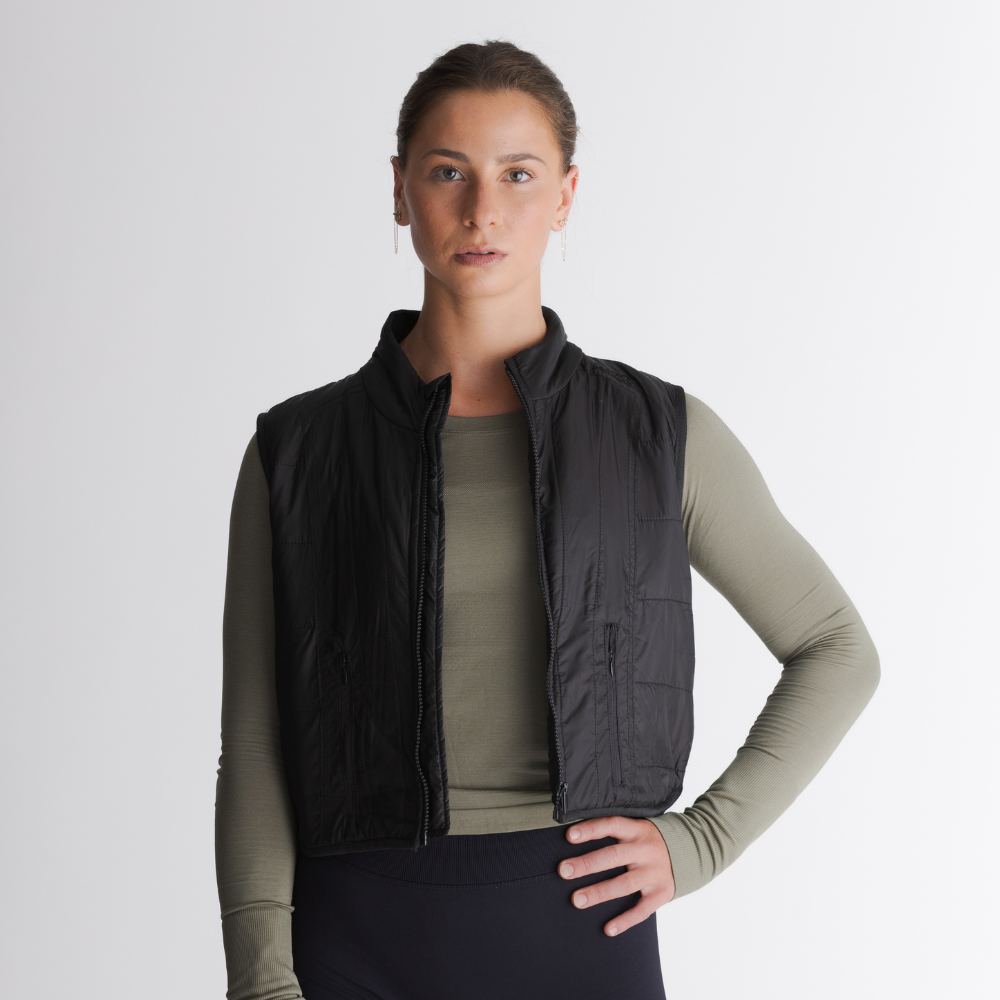
Women looking for “the one”, the weighted vest specifically designed for your body and taste, have found their answer in the Aion Women’s Weighted Walking Vest. Engineered specifically for the female frame, this vest delivers 6 to 7.5 lbs of sleek, everyday resistance. We call this Passive Resistance™. Instead of fighting a heavy, bouncing plate, the weighted walking vest integrates seamlessly with your body. It is fashion-forward and comfortable enough to wear to the grocery store, on your daily walk, or during your morning school drop-off.
Is There a Men’s Weighted Walking Vest? Yes, We Didn’t Leave the Guys Behind.
The Men's Recovery Vest applies the exact same Passive Resistance™ technology, mapped specifically for the male anatomy. Built with a stylish oversized fit to wear over a t-shirt, dress shirt, sweater, or hoodie, it is the ultimate tool for Zone 2 cardio, flushing the legs on an active recovery day, or turning a basic dog walk into a metabolic engine.
Whether you are wearing the women's or men's cut, it is resistance training disguised as premium apparel.

Phase 1: How to Start Walking With a Weighted Vest
Walking with a vest is simple, but progression matters. Here’s how to begin safely:
1. Start with short sessions.
First-time weighted vest users often underestimate the effect of the added resistance. If you go too heavy or too long on day one, your form will break down.
A 6 lb vest might feel like nothing when you put it on, but at minute 30, your stabilizers will be on fire. Start with short, 10 to 15-minute walks. This gives your tendons and ligaments time to adapt to the new mechanical stress.
2. Focus on posture first.
Adding extra weight to your torso shifts your center of gravity, albeit slightly. If you don't let your body adjust to this slight shift, you increase the risk of strain and improper posture.
So before you walk longer, faster, or carry heavier weights, make sure you maintain:
- A neutral spine
- Balanced shoulders, down and back
- A natural stride
- An engaged core
By doing so, you reduce the risk of damaging your posture and maximize the benefits of the added resistance.
3. Maintain a comfortable pace.
Walking with a weighted vest doesn’t mean you have to walk faster or more intensely. It means walking smarter by getting more from your usual pace.
When you walk with your weighted vest, maintain a pace at which you can still have a conversation. This is called the "Talk Test" and it helps you confirm if you’re remaining in Zone 2, the ultimate fat-burning zone. If you are gasping for air and can’t talk, you are pushing into Zone 3 or 4. Slow your pace. Let the weight do the work.
4. Engage but don’t overdo.
Listen to your body. If it feels like too much, do not wear the vest every single day when you start. Your body builds strength during recovery, not during the workout. Aim for 3 days a week to start. If anything feels uncomfortable, reduce the time or keep a slower pace.
Phase 2: How to Progress Your Weighted Vest Walks
Once you’re comfortable walking with a weighted vest for 20–30 minutes with perfect posture, you can now progress with intention, following these steps:
1. Increase the duration of the walk.
Always increase duration before you increase intensity. Add 5-10 minutes every week. If you start at 20 minutes the first week, aim for 35-50 minutes within a month.
2. Add elevation or increase pace.
Once you max out your time, find a hill. Walking on an incline with a weighted vest is one of the most potent posterior-chain (glutes and hamstrings) workouts on the planet!
You can also make progress by gradually increasing your mileage by increasing your pace. Try adding a thousand steps per day after your first week. A goal of 7,000-10,000 steps in a weighted session can be both achievable and highly effective.
3. Integrate with other workouts.
You don’t have to limit your weighted vest to walks alone. Once you feel your body has adapted to weighted vest walking, start integrating it into other low-impact or functional workouts to continue progressing. Here are some of the workouts you can do with weighted vest walking:
- Bodyweight strength sessions
- Light circuit training
- Mobility or posture-focused workouts
- Wear the vest while doing household chores or at work
Take the First Step With Aion
You are going to walk today anyway. Why not get more out of it?
By adding the Aion Weighted Walking Vest to your routine, you transform basic movement into a metabolic, strength-building, bone-protecting workout. It is the smartest, easiest upgrade you can make to your health this year.
Stop just tracking your steps. Start making them count.
Walking With a Weighted Vest FAQs
Q: Is walking with a weighted vest safe for beginners?
Yes, if done right. Walking with a weighted vest, especially with a high-quality vest like Aion, is easy and safe as long as you start and progress mindfully.
Q: What weight is safe to start walking with a weighted vest?
It depends on your comfort level. Most experts recommend starting with 3-5% of your body weight. On average, that lands between 5-10 pounds. At these weights, your body can naturally integrate the resistance without modifying your posture or stressing your joints. Remember, it’s the consistency that matters, not the load. A weighted vest, no matter the weight, is only effective if you use it properly and regularly.
Q: Can walking with a weighted vest help with weight loss?
Yes. Walking with a weighted vest supports fat loss by increasing calorie burn and elevating your heart rate into the fat-burning Zone 2. That means you’re getting more metabolic benefit from the same walk. However, weight loss occurs only when calories burned exceed calories consumed. Maintaining a healthy diet is still necessary to achieve healthy weight loss.
Q: Can I wear a weighted vest for everyday walking, not just workouts?
Yes, absolutely. That’s one of the biggest advantages of walking-specific weighted vests. The Aion Women’s Weighted Walking Vest is designed to provide optimum resistance without sacrificing comfort, mobility, and style. You can wear it during:
- Neighborhood walks
- Treadmill sessions
- Walking errands
- Long daily step goals
Aion feels comfortable and doesn’t alter your posture. It can easily become part of your daily routine.
Q: Can I wear a weighted vest every day?
You can, but it depends on your fitness level and recovery needs. Beginners should not, as they need time to recover. A rest day between walking sessions will help your muscles and joints recover to stay healthy. However, some experienced walkers can wear a weighted vest daily because their bodies have already adapted to regular walking, so the extra weight is more manageable.
Disclaimer: Always consult a doctor before doing any type of exercise.


